Stainless Steel vs Oak for Wine: Fermenting and Ageing Compared
Ask a group of winemakers whether wine is better in stainless steel or oak and you will start a long conversation. The honest answer is that they do different jobs. Understanding what each one does to wine is the key to choosing the right vessel for the style you want.
What stainless steel does to wine
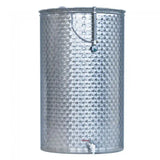
Stainless steel is neutral. It does not add flavour or tannin, it does not absorb anything, and it lets no oxygen through. Wine in a sealed stainless tank stays very close to what went in.
- Freshness. The bright, primary fruit and floral aromas of the grape are preserved.
- Control. With no oxygen exchange and no wood influence, you decide exactly what happens to the wine.
- Temperature. Steel transfers heat well, so a tank responds to cooling, which matters during fermentation.
- Hygiene and lifespan. Stainless is easy to clean and sanitise and lasts for decades.
- No losses. Wine does not evaporate through the walls.
That makes stainless steel the natural choice for fermenting most wines, and for ageing fresh, aromatic whites, rosé and young reds intended to be drunk within a year or so.

What oak does to wine
Oak is not a neutral container. It is an ingredient.
- Slow oxygen exchange. Tiny amounts of oxygen pass through the wood and the joints, which softens tannins and helps the wine develop over time.
- Flavour and tannin. Oak releases its own tannins and aromas: vanilla, spice, toast, coconut (especially American oak), and with time, notes like tobacco and leather.
- Evaporation. Some wine is lost through the wood, so barrels need regular topping up.
- Size matters. The smaller the barrel, the more wood each litre of wine touches, so the stronger the oak influence. A new barrel gives more flavour than an old one.
The trade-off is work. Barrels need to be kept full, kept clean, swelled before use and protected from spoilage when empty, and they eventually lose their flavour.

Photo: Algor
Barrel vs vat: what is the difference?
The words are often used loosely, but traditionally:
- A barrel (Italian botte) is a closed vessel, usually oak, used mainly for ageing wine.
- A vat (Italian tino) is a larger, often open-topped vessel used mainly for fermenting, especially reds on their skins, where the cap needs to be punched down.
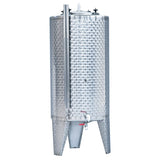
Vats were traditionally made of timber. Today most are stainless steel, and an open-top variable capacity tank is effectively a modern stainless vat: you ferment with the top open, then lower the floating lid to store the wine. See Variable Capacity Wine Tanks Explained.
Getting oak character in a stainless tank
You do not need a barrel to get oak flavour. Many winemakers ferment and store in stainless steel and add oak as an ingredient:
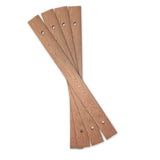
- Oak planks or staves. Our French oak tank planks and American oak tank planks are 1000 x 80 x 7 mm, medium toast, designed to go into tanks. French oak tends to give finer, spicier notes; American oak is more pronounced, with vanilla and coconut.
- Oak chips and cubes for smaller batches and faster results.
This approach gives you oak flavour and tannin with stainless steel's hygiene and control. What you do not get is the slow oxygen exchange of a barrel, so the effect is a little different from barrel ageing. Taste regularly through the sample valve and remove the oak when the wine tastes right.

Browse oak chips, staves and planks, or our oak barrels if you want the traditional route. We also cover oak in depth for spirits in Ageing Spirits with Oak.
Which should you choose?
- Fresh whites, rosé and fruit-driven young reds: stainless steel.
- Structured reds for longer ageing: oak barrels, or stainless with oak planks if you want less maintenance.
- Not sure: ferment in stainless, split the batch, and add oak to part of it. Taste them side by side.
Most home winemakers end up using both: stainless for fermenting and storing, and oak for the wines that benefit from it.
Pre-order wine tanks from our next container
Can't see the size or style you need, or want to plan ahead for vintage? We can take pre-orders for wine tanks and bring them in on our next container. Contact us for more information.