Brewing with Liquid Malt Extract: How to Use It and How Much
The short answer: liquid malt extract is wort with most of its water removed. Swap it for some or all of the sugar in a kit for more flavour and body. One kilogram adds about 13 gravity points to 23 L.
Which one?
| Extract | Colour | Use it in |
|---|---|---|
| Light | Gold | Lager, pale ale, IPA |
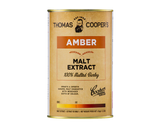
| Amber | Copper | Amber ale, bitter, red ale |
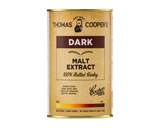
| Dark | Brown to black | Porter, stout, dark ale |
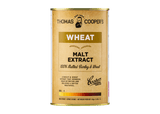
| Wheat | Pale gold | Wheat beer, hazy pale, better head |
Liquid, dry or dextrose?
| 1 kg of | Adds to 23 L | Gives |
|---|---|---|
| Liquid malt | About 13 points | Malt flavour, body, head |
| Dry malt | About 16 points | The same, stronger for its weight |
| Dextrose | About 15 points | Alcohol with little flavour |
To swap, 1 kg of liquid malt is roughly 800 g of dry malt.
Five ways to use it
- Upgrade a kit: replace 1 kg of dextrose with a 1.5 kg can. The beer will be maltier and a touch stronger.
- Fix a low gravity: stir some into the boil on an all grain day.
- Make a yeast starter: about 100 g of dry malt per litre of water, boiled for 10 minutes and cooled.
- Brew all extract: boil 2 x 1.5 kg cans with hops for a 23 L batch at about 1.040.
- Steep specialty grain: soak 200 to 500 g of crushed crystal or roast malt at 65 to 70 °C for 30 minutes, strain, then add extract and boil.
Tips
- Stand the can in hot water for 10 minutes so it pours.
- Take the pot off the heat before you add it, then stir well. It sinks and scorches.
- Store leftovers in a sanitised jar in the fridge and use them soon.
- Malt extract contains gluten.
Want to compare sugars? See brewing sugars explained.
Shop the products in this post