Brewing Sugars Explained: Dextrose, Lactose, Maltodextrin and More
The short answer: use dextrose to lift alcohol and lighten body, or to prime bottles. Use maltodextrin for body, lactose for sweetness, and malt extract when you want more flavour as well as alcohol. Keep plain sugar under about 10 to 20% of the fermentables in most beers.
| Sugar | Ferments? | Does what | 1 kg in 23 L adds about |
|---|---|---|---|
| Dextrose | Fully | Lighter body, neutral | 15 points |
| White sugar | Fully | Same, slightly stronger | 17 points |
| Brown sugar | Nearly all | Caramel, light molasses | 16–17 points |
| Honey | Nearly all | Dry, light floral note | 13 points |
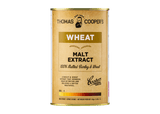
| Light malt extract, liquid | Mostly | Malt flavour and body | 13 points |
| Maltodextrin | Barely | Body and head | 16 points |
| Lactose | No | Creamy sweetness | 16 points |
Points are the last two digits of a gravity reading, so 15 points takes 1.040 to 1.055. Figures are estimates.
For beer
- Dextrose dries a beer out, which suits lager, IPA and Belgian styles. Too much with a kit gives a thin, cidery beer.
- Maltodextrin: 200 to 500 g rounds out a light beer.
- Lactose: 250 to 500 g for a milk stout. It comes from milk, so label it for anyone with an allergy or intolerance.
- Honey: add as fermentation slows to keep more aroma. It still ferments out, and it won't sweeten the beer.
For ginger beer
White sugar is neutral. Brown sugar adds caramel. See how to make ginger beer.
For kombucha
Plain white sugar is best. Once you have a spare SCOBY, try replacing a quarter of it with something else. Don't use raw honey, stevia or artificial sweeteners. See how to make kombucha.
For priming bottles
Dextrose is predictable. Weigh it and work it out with our priming calculator. White sugar needs slightly less for the same fizz. Never prime until the gravity is stable.