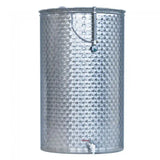
Fermenting and Storing Wine in a Stainless Steel Tank
A stainless steel tank can carry a wine from the first day of fermentation to the day it is bottled. This guide follows that journey through the year and covers how to use your tank at each stage. For the full winemaking process, see Step-By-Step Wine Making, How to Make Red Wine at Home and How to Make White Wine at Home.
Before vintage: get the tank ready
- Clean and sanitise the tank, valves, lid and seal. See How to Clean and Sanitise a Stainless Steel Wine Tank.
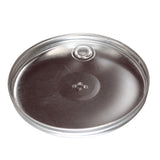
- Check the floating lid seal and hose for cracks, and test that the seal holds pressure.
- Check every valve opens, closes and seals.
- Set the tank on its stand in its working position. A full tank is far too heavy to move.

Photo: Algor
Fermentation
Reds: open-top fermenting
Red wine ferments on its skins, which rise to form a cap. With a variable capacity tank, ferment with the floating lid out and a dust lid or clean cloth over the top. Punch the cap down into the juice once or twice a day to keep it moist and extract colour. Leave enough headroom, about a quarter of the tank, for the cap and foam.
Whites: cooler and protected
White wine is usually pressed before fermentation and fermented as clear juice, often cooler than reds, to keep its delicate aromas. A closed tank, or a variable capacity tank with the lid in place and the airlock fitted, protects the juice during fermentation.

Temperature control
Fermentation makes heat, and a large volume of fermenting must can climb quickly. Too hot, and you lose aroma or stress the yeast; too cold, and the ferment can stall. As a general guide, many reds are fermented in the 20s °C and many whites in the teens °C, but your yeast packet gives the right range for that strain.
- Choose the spot carefully. A cool shed, garage or cellar, out of direct sun.
- Use the steel. Stainless transfers heat well. On hot days, wet cloths around the tank with a fan blowing over them help pull heat away.
- Cooling jackets. Larger tanks can be built with a dimple plate cooling jacket, such as our 2000 litre sloping base tank with full dimple plate, through which chilled water or glycol is circulated.
- Measure. Check the temperature of the ferment itself, not the room, at least once a day.
For more ideas, see Summer Fermentation: 10 Tips for Keeping Your Brew Cool.
Pressing and the first racking
When a red ferment is finished, the wine is pressed off the skins and moved into a clean tank. After a few days to a couple of weeks, the heavy lees settle. Rack the wine off them, drawing from the racking valve above the sump, into a clean, sanitised tank, and leave the sediment behind.
Storage under the floating lid
Once the wine is in its storage tank:
- Optionally, float a thin layer of food-grade paraffin oil on the surface.
- Lower the floating lid onto the wine and inflate the seal with the hand pump.
- Fill and fit the airlock.
- Fit the dust lid.
Variable Capacity Wine Tanks Explained covers setting the lid in detail. With a closed tank, keep it full, or blanket the space above the wine with CO2.
Sulphites
Most winemakers add sulphite, usually as potassium metabisulphite, after fermentation and after each racking to protect the wine from oxidation and spoilage. The right amount depends on the wine's pH. See Sulphite and Sorbate Basics for Homemade Wine.
Regular checks while the wine is stored
- Seal pressure: every week or two.
- Airlock: keep it filled.
- Taste and test: draw samples from the sample valve rather than lifting the lid.
- Rack again if more sediment drops out.
- Keep it cool and steady. Wide temperature swings are hard on stored wine.
Fining, filtering and bottling
When the wine is clear and stable, you can fine or filter it if needed, then bottle it. See When and How to Use Fining Agents in Wine and How to Bottle Homemade Wine. Then clean the tank straight away, ready for next vintage.
Browse our stainless steel tanks and winemaking range.
Pre-order wine tanks from our next container
Can't see the size or style you need, or want to plan ahead for vintage? We can take pre-orders for wine tanks and bring them in on our next container. Contact us for more information.