How to Clean and Sanitise a Stainless Steel Wine Tank
A stainless steel tank can be beautifully made, but if it is not cleaned and sanitised properly it becomes the weak point in your winemaking. Wine residue, lees and yeast left on the surface, or trapped in a valve or seal, give spoilage organisms somewhere to live, and they will find the next batch.
The good news is that stainless steel is one of the easiest materials to keep clean, as long as you use the right products in the right order.
Cleaning and sanitising are not the same thing
- Cleaning removes what you can see: residue, lees, tartrate crystals and stains.
- Sanitising reduces the microorganisms you cannot see to a safe level.
Sanitiser cannot work properly on a dirty surface, so cleaning always comes first.

Photo: Algor
What you need
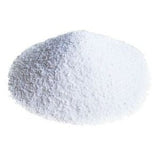
- An alkaline cleaner. Sodium percarbonate is effective and relatively gentle. For heavy tartrate, caustic soda is stronger but must be handled with care.
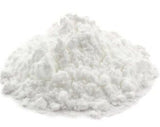
- An acid rinse. Citric acid neutralises any alkaline residue and brightens the steel.
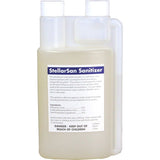
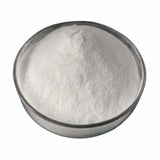
- A sanitiser. A no-rinse acid sanitiser such as Stellarsan, or a sulphite and citric acid solution made with potassium metabisulphite.
- Soft brushes, such as a hand-held tank brush. Never use steel wool or wire brushes.
- Optional: a CIP rotating spray ball and a pump, which coats the inside of a tank in a 360 degree pattern so you can recirculate cleaner without climbing in.

What never to use
- Bleach and chlorine cleaners. Chlorides attack stainless steel and cause pitting, and chlorine compounds can taint wine.
- Steel wool and wire brushes. Fragments of ordinary steel embed in the surface and rust, leaving orange spots that look like the tank is corroding.
- Scented household detergents. Perfumes cling to surfaces and gaskets and can carry into wine.
The routine, step by step
- Rinse straight away. As soon as the tank is empty, rinse it out with cold or lukewarm water. Residue that dries on is far harder to shift, and early rinsing saves water, cleaner and time.
- Take the fittings off. Remove valves, the sample valve, the sight tube and any other removable fittings, and clean them separately.
- Alkaline wash. Wash the inside with a warm sodium percarbonate solution, made up as directed on the pack. Brush the walls, the base, the sump and the welds. This is the step that lifts tartrate crystals, which dissolve in alkaline solutions.
- Rinse well until no cleaner is left.
- Acid rinse. Rinse with a citric acid solution. It neutralises any remaining alkaline cleaner and helps keep the steel's surface bright and protected.
- Rinse again with clean water.
- Dry and store, or sanitise if you are about to fill it.
- Sanitise just before use. Sanitise the tank, valves, lid and anything else that will touch the wine just before you fill it, following the directions on your sanitiser.

Photo: Algor
Pay attention to the hard-to-reach spots
Most problems start in the places a quick rinse does not reach:
- valves, especially ball and butterfly valves, which trap wine in the body
- sample valves and sight tubes
- gaskets and seals, including the floating lid seal
- welds, the sump and any outlet where liquid can pool
- the underside of a floating lid and its airlock fitting
When you buy a tank, it is worth asking how easy these parts are to get at. A tank designed with cleaning in mind, with smooth welds, a base that drains and fittings that come apart easily, is much easier to keep in good condition.
Caring for the floating lid and seal
Wash the lid and its seal with a mild cleaner and rinse well, then let them dry before storing. Keep the seal out of direct sun. See Variable Capacity Wine Tanks Explained for more on looking after seals.
Storing an empty tank
- Make sure it is completely dry.
- Leave the valves slightly open so air can circulate.
- Fit a dust lid to keep out dust and insects.
- Rinse and sanitise again before the next use.
Safety
- Wear gloves and eye protection when handling caustic soda or concentrated cleaners.
- Never mix alkaline cleaners and acids in the same container.
- Sulphite solutions release sulphur dioxide. Work in good ventilation and do not put your head inside a tank that has just been sulphited.
- Follow the directions on each product.
Keep a simple cleaning log
Write down when each tank was cleaned, with what, and when seals were replaced. It takes a minute and makes it easy to keep the routine consistent, especially if more than one person uses the tanks.
Browse our cleaners and sanitisers and tank accessories.
Pre-order wine tanks from our next container
Can't see the size or style you need, or want to plan ahead for vintage? We can take pre-orders for wine tanks and bring them in on our next container. Contact us for more information.