Slimy or Crumbly Feta? How to Fix It
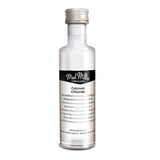
The short answer: feta turns slimy when the brine pulls calcium out of it. Add 1 mL of calcium chloride to the brine. If that isn't enough next time, increase the white vinegar from ½ teaspoon to 1 teaspoon.
Why feta goes slimy
Calcium holds the curd together. If your brine has less calcium than the cheese, or is less acidic than the cheese, calcium moves out into the brine and the outside softens. Calcium chloride fixes the first cause and vinegar fixes the second. Change one thing at a time so you know which worked.
| You want | Change |
|---|---|
| Drier, crumblier feta | Cut smaller cubes, stir longer, and drain longer |
| Creamier feta | Keep the cubes at 1 cm and shorten the draining |
| Saltier feta | Leave it in the brine longer |
| Less salty feta | Soak a piece in fresh water for 10 minutes before serving |
Cow, goat or sheep?
- Cow's milk is easiest to find and gives a mild cheese, but is the most likely to soften.
- Goat's milk is tangier and sets a delicate curd. It can need more rennet.
- Sheep's milk is rich and sets well, but is hard to buy.
Unhomogenised milk gives a firmer curd than homogenised. More on that in the best milk for cheese making.
Dry-salted feta
For crumbling over salads, skip the brine. Rub the blocks with 1 tablespoon of salt for each litre of milk you used, seal them in a container and refrigerate. Pour off the liquid each day for 5 days. It will be salty, so taste before you season anything else.
Rescue it: whipped feta
A batch that is soft but smells and tastes clean is still good whipped. Blend 250 g of feta with 100 g of cream cheese until smooth, and serve it with olive oil and bread. If it smells off, or has mould on it, throw it out.
Watch Mad Millie make it
What you need
The Fresh Cheese Kit includes two feta moulds. Our feta recipe uses it from start to finish.