What Is the Best Milk for Cheese Making?
The short answer: fresh, full-cream, unhomogenised, pasteurised milk works for almost every cheese. Homogenised milk is fine for soft fresh cheeses. Avoid UHT milk unless you're making yoghurt.
Which milk for which cheese
| Cheese | Best milk | Homogenised OK? |
|---|---|---|
| Mozzarella, burrata | Unhomogenised | No |
| Feta, halloumi | Unhomogenised | Yes, but softer |
| Brie, camembert, blue | Unhomogenised | No |
| Cheddar and other hard cheese | Unhomogenised | No |
| Ricotta, cottage cheese, cream cheese, quark | Full-cream | Yes |
| Yoghurt | Full-cream, including UHT | Yes |
Homogenised milk
This is the everyday milk in the fridge aisle. The fat has been broken up so it stays mixed through. Buy full-cream, and check it's fresh milk and not UHT in a chilled carton. A best-before date more than a month away is a good clue that it's UHT.
Unhomogenised milk
The cream rises to the top, so shake it before you measure. Look for "unhomogenised" or "cream on top" on the label.
UHT milk
UHT is heated hard enough to change its proteins, so it won't form a firm curd with rennet. For yoghurt, that same heating is useful, because it sets smooth.
Goat's and sheep's milk
- Goat's milk makes a smaller, softer curd. Give it time to set and handle it gently. Start with chèvre or goat's feta.
- Sheep's milk is higher in fat and protein. Stir the cream layer back in before adding rennet, cut larger cubes and press more gently. It isn't well suited to mozzarella.
What about raw milk?
Raw cow's milk can't be legally sold for drinking in Australia, and raw milk of any kind can carry harmful bacteria. If you have your own animals, pasteurise first: heat the milk to 63 °C, hold it there for 30 minutes while stirring, then cool it quickly. Check the temperature with a reliable thermometer.
Do I need calcium chloride?
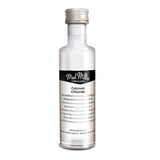
It helps. Pasteurising and cold storage reduce the calcium available to form a curd, and calcium chloride puts some back. All our cheese recipes say how much to use.
Can I use plant milk?
Not with rennet. Rennet works on milk protein, and the cultures need lactose, so almond, oat and soy milk won't set into cheese this way.