How to Add Coffee to Beer: Cold Brew, Beans and How Much
The short answer: add 500 mL to 1 L of strong cold brew to 23 L of finished stout or porter just before packaging. Start low, taste and add more.
| Method | For 23 L | When | Good to know |
|---|---|---|---|
| Cold brew | 500 mL–1 L, strong | At packaging | Smoothest and easiest to control |
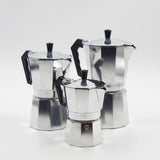
| Espresso or moka | 200–400 mL, cooled | At packaging | Bolder, a little more bitter |
| Whole beans | 100–200 g | After fermentation, 1–2 days | Great aroma. Taste daily |
| Ground coffee | 50–100 g in a bag | After fermentation, 12–24 hours | Quick to turn harsh |
Make the cold brew
- Sanitise a jar and lid.
- Use water you've boiled and cooled.
- Stir 100 g of coarse coffee into 750 mL of water.
- Cover and refrigerate 12 to 18 hours.
- Strain through a sanitised filter. Use it the same day.
Coffee isn't sterile, so cleanliness matters. Keep it cold, use it promptly and store the finished beer cold.
Which coffee?
- Brazil, Colombia: chocolate and nuts. The safe choice for stout.
- Ethiopia, Kenya: berry and citrus. Lovely in a pale beer.
- Sumatra: earthy and big.
A medium roast usually beats a very dark one. Dark malt already brings roast.
Which beer?
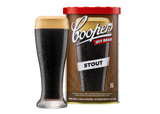
Stout, porter and brown ale are easiest. Our coffee stout starts from Coopers Original Stout.
Find your dose first
Pour 100 mL of finished beer into a glass and add cold brew 1 mL at a time until you like it. Each 1 mL in 100 mL equals 230 mL in 23 L.
Good to know
- Black coffee adds caffeine but no real sugar, so it won't restart fermentation. Sweetened coffee will.
- Coffee aroma fades. Drink within 2 months.
- If it tastes of green capsicum, the beans were too light or sat too long.
- Label it: alcohol and caffeine.
Shop the products in this post