Beer Styles Guide: Lagers, Ales and What to Brew First
The short answer: lagers ferment cool and taste clean and crisp. Ales ferment warmer and taste fruitier. After that, malt sets the colour and sweetness, hops set the bitterness and aroma, and yeast sets much of the character.
| Style | Typical ABV | Bitterness (IBU) | Tastes like |
|---|---|---|---|
| Pale lager | 4–5.5% | 8–25 | Crisp, light |
| Pilsner | 4.2–5.8% | 22–45 | Crisp, floral, bitter |
| Amber and dark lager | 4.5–6% | 8–30 | Toast, caramel, clean |
| Blonde and golden ale | 3.8–5.5% | 15–28 | Light, easy |
| Pale ale | 4.5–6.2% | 30–50 | Citrus or tropical, balanced |
| IPA | 5.5–7.5% | 40–70 | Hop-forward |
| Wheat beer | 4.3–5.6% | 8–15 | Banana, clove, soft |
| Amber and red ale | 4.5–6.2% | 25–40 | Caramel, toast |
| Brown ale | 4–6% | 20–30 | Nut, chocolate |
| Porter and stout | 4–7% | 20–50 | Roast, coffee, chocolate |
| Saison | 3.5–7% | 20–35 | Dry, peppery |
| Sour | 3–6% | 2–10 | Tart, often fruity |
Ranges are a guide. Brewers bend them all the time.
Lager or ale?
It's the yeast. Lager yeast works at about 8 to 15 °C and needs patience. Ale yeast works at about 17 to 21 °C and is done sooner. In an Australian summer without temperature control, ales are easier, and kveik is easiest of all.
Porter or stout?
They overlap. Porter usually leans chocolate and caramel, while stout leans roast and coffee.
Good first brews
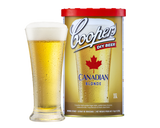
- Like a light lager? Start with Canadian Blonde or our Great Northern-style lager.
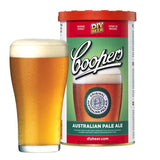
- Like hops? Try our Pacific Ale-style summer ale, then read IPA styles explained.
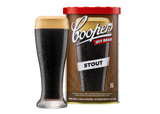
- Like dark beer? Use Coopers Stout. It's forgiving of warm weather.
- Like wheat beer? Our Erdinger-style wheat beer.
Want to build your own? Our all grain recipe kits cover six styles.
Shop the products in this post