Beer · Apple cider

Morgan's Apple Cider

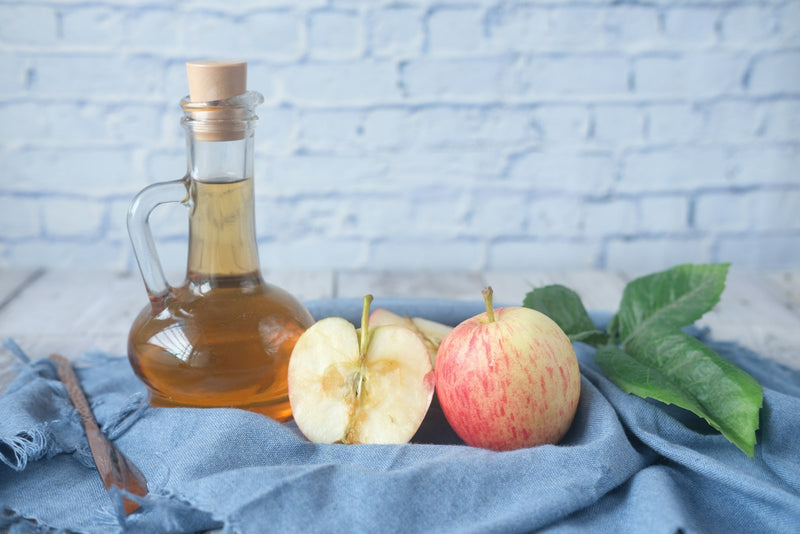
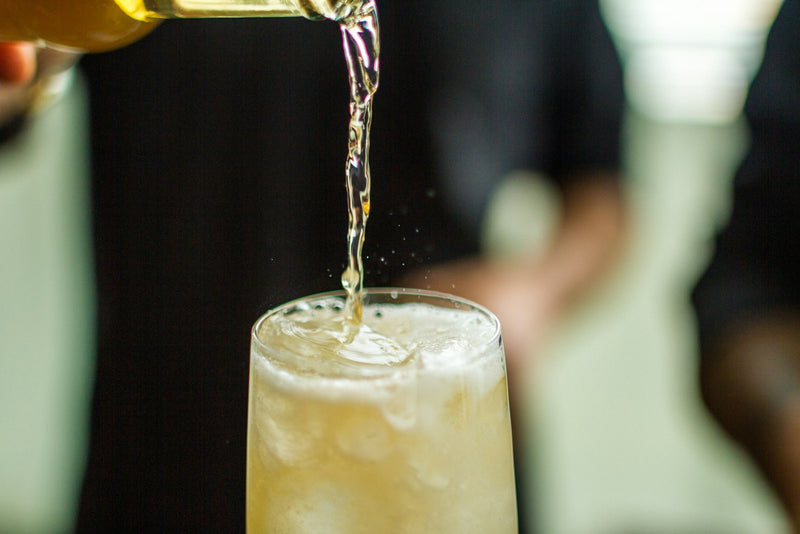
An all-natural apple cider that finishes dry and crisp, a bit like a 5 Seeds Crisp Apple. Makes 20 litres for long hot summer days.

Batch
20 L
ABV
Approx. 4%
Difficulty
Beginner
Style
Apple cider
Fermentation
7 days
Supplier recipe · Morgan's Brewing
Morgan's Apple Cider
Shop this recipe

Everything you need

Ingredients for this batch are ticked. Untick anything you already have.

Ingredients for this batch
Brewing extract
Morgans Apple Cider 1 kg Pouch
Morgans Apple Cider 1 kg Pouch — 1 Unit Recipe requires 1 kg · Buying 1 × Morgans Apple Cider 1 kg Pouch — 1 Unit Use the yeast supplied with the pouch.
In stock $31.90
Sugars
Dextrose Brewing Sugar
Dextrose Brewing Sugar — 1 Kg Recipe requires 1 kg · Buying 1 × Dextrose Brewing Sugar — 1 Kg
In stock $5.60
Bottling
Carbonation Drops
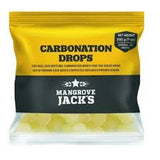
Carbonation Drops — 250 g Recipe requires 1 pack · Buying 1 × Carbonation Drops — 250 g 2 drops per 740–750 mL bottle, or 1 per 375 mL bottle.
In stock $4.80
Method

10 steps

Brew day

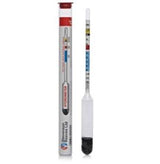
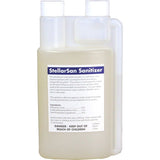
  1. Clean and sanitise. Clean and sanitise your fermenter, lid, airlock, tap, spoon and hydrometer.
  2. Dissolve. Add the Morgan's Apple Cider and 1 kg of dextrose to the fermenter with a couple of litres of hot water and stir until dissolved.
  3. Top up to 20 litres. Top up with cold water to the 20 litre mark.
  4. Aerate. Stir or shake vigorously until there's a layer of foam on top.
  5. Take a gravity reading. Write down the hydrometer reading. This is your original gravity (OG). ABV calculator
  6. Pitch the yeast. Sprinkle the yeast on the foam, leave it for 10 minutes, then stir it in and fit the lid and airlock.

Fermentation

  1. Ferment. Keep the fermenter at 18–24 °C, out of direct sunlight. Fermentation usually takes 7–10 days.
  2. Check it has finished. From around day 7, check the specific gravity (SG) each day. It's ready once the reading is steady for two days, at about 1.000–1.005. ABV calculator

Tip: Only bottle once the gravity is stable. Bottling too early can over-carbonate the cider and burst bottles.

Bottling

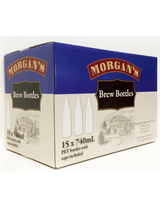
  1. Fill and prime. Gently fill clean PET bottles to about 3 cm from the top. Add 2 carbonation drops per 740–750 mL bottle (1 per 375 mL) and secure the caps.
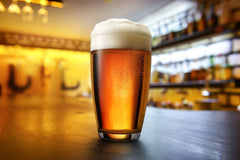
  2. Condition and enjoy. Store the bottles upright, out of direct sunlight, for at least 2 weeks. Squeeze a bottle to check it's firm, then chill upright and pour into a glass, leaving the sediment behind.

Tip: This cider finishes dry. To sweeten bottled cider, use a non-fermentable sweetener such as lactose or maltodextrin, never extra sugar or apple juice, which would over-carbonate it. If you keg and force-carbonate, any sweetener works.

Make it your own

Everyone brews a little differently, and that's half the fun. Use this recipe as a starting point, then adjust it to suit your taste: a little more or less sugar for strength, a dry hop of Citra or a dash of Morgan's cider flavouring, or a warmer or cooler ferment.

For a sweeter cider, add 250 g of lactose for medium or 500 g for sweet once fermentation has finished. Write down what you changed so your next batch turns out just the way you like it.

Safety information

Only bottle once the hydrometer reading is the same two days in a row. Bottling before fermentation has finished builds up too much pressure and can burst glass or PET bottles. Store bottles where a failure can't hurt anyone, and drink responsibly.

0 selected