Yeast Nutrient Explained: When You Need It and How Much
The short answer: all-malt beer rarely needs nutrient. Mead, seltzer, cider, kveik beer and high-strength brews usually do. Follow the dose on the pack, add it early, and don't overdo it.
Do you need it?
| Brew | Nutrient? | Why |
|---|---|---|
| All-malt beer | Rarely | Malt has plenty |
| Beer kit with lots of sugar | Helpful | Sugar dilutes the nutrients |
| Kveik, under 1.050 | Yes | Kveik is hungry |
| Cider | Usually | Apple juice is low in nitrogen |
| Mead | Yes | Honey has almost none |
| Hard seltzer, ginger beer | Yes | Sugar has none |
| Wine | Often | Depends on the grapes. Test if you can |
The types
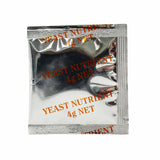
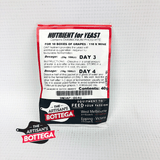
- Morgan's Yeast Nutrient: a ready-measured sachet for 20 to 25 L of beer or cider.
- DAP (diammonium phosphate): plain nitrogen. Cheap and useful early on.
- Nutriferm Arom Plus: amino acids from yeast, to build aroma in wine.
- Nutriferm No Stop: inactivated yeast, added mid-ferment to help prevent or restart a stuck fermentation. The dose is 20 to 40 g per 100 L.
When to add it
- Beer and cider: all at the start, or in the last 10 minutes of the boil.
- Mead and wine: split it. A common approach is part at the start of active fermentation and the rest by the time a third of the sugar is gone.
- Never add nitrogen late. Yeast can't use it, and it can feed unwanted microbes.
Safety: stir gently and slowly. Adding powder to a lively ferment makes it foam over, so dissolve it in a little water first. Don't add urea-based nutrients.
Signs your yeast is hungry
- A rotten-egg smell
- A slow start, or fermentation that stops early
- Harsh, solvent-like flavours
Stuck fermentation?
Check it's really stuck: same gravity 3 days running and above where it should be. Warm it a few degrees, gently rouse the yeast, then try No Stop. If that fails, pitch fresh active yeast. See pitching yeast and our mead recipe.
Shop the products in this post