All Grain Brewing for Beginners: A Step-by-Step Brew Day
The short answer: soak crushed malt in water at about 66 °C for an hour, rinse the grain, boil the sweet liquid for an hour with hops, cool it, add yeast, and leave it one to two weeks. Allow 4 to 6 hours for the brew day.
What you need
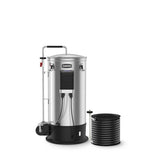
- A mash and boil system, such as the Grainfather G30 or BrewZilla 35 L. Both mash, sparge and boil in one vessel.
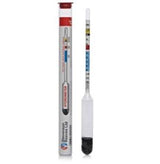
- A fermenter with an airlock, a hydrometer and a thermometer
- A way to chill: an immersion or counterflow chiller
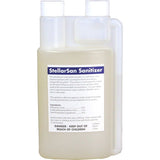
- Cleaner and a no-rinse sanitiser
- Crushed malt, hops and yeast. Build a recipe in our Grain Bill Builder and we'll weigh and mill it
Brew day, step by step
- Heat the water. Warm it a few degrees above your mash temperature, because the grain will cool it.
- Mash. Stir in the crushed malt slowly so it doesn't clump. Hold at 65 to 68 °C for 60 minutes. See mash temperatures.
- Sparge. Lift the grain and rinse it slowly with water at about 75 °C, keeping it under 78 °C.
- Boil. Bring to a rolling boil for 60 minutes with the lid off. Add bittering hops at the start and aroma hops near the end. Watch for boil-overs.
- Chill. Cool to your yeast's temperature as quickly as you can.
- Transfer and measure. Run it into a sanitised fermenter, splash to mix in air, and note the original gravity.
- Pitch. Add the yeast, seal and fit the airlock.
Fermenting and packaging
Keep the temperature steady in the yeast's range. When the gravity reads the same for at least 2 to 3 days, it's ready to bottle or keg. Bubbles alone don't tell you.
Easy first recipes
Start with a blonde or pale ale: one base malt, one specialty malt, one hop. Our all grain recipe kits open straight in the builder.
Five mistakes to avoid
- Sanitise everything that touches the beer after the boil.
- Check the mash temperature in several spots.
- Don't pitch into hot wort. Wait until it's in range.
- Don't bottle until the gravity is stable. Bottles can burst.
- Boiling wort burns. Wear closed shoes and keep children away.
Shop the products in this post