Passata vs Tomato Puree: What's the Difference?
The short answer: passata is ripe tomatoes pushed through a sieve or tomato machine to take out the skins and seeds, then bottled. It's smooth, bright and tastes like fresh tomato. Tomato puree is cooked down to drive off water, so it's thicker, darker and sweeter. Reach for passata when you want fresh tomato flavour, and puree when you want body and depth in a hurry.
One trap if you cook from British recipes: in the UK, "tomato purée" means the concentrated paste that comes in a tube or tin. That's far stronger than Australian supermarket puree, so use a spoonful, not a cup.
Passata vs tomato puree at a glance
| Passata | Tomato puree | |
|---|---|---|
| How it's made | Tomatoes sieved to remove skins and seeds. Not reduced. | Tomatoes cooked and reduced to concentrate them |
| Texture | Smooth and pourable | Thicker, heavier |
| Flavour | Fresh, bright, clearly tomato | Deeper, sweeter, more "cooked" |
| Best for | Sugo, pizza sauce, soups, anything quick | Stews, braises, adding body to a sauce |
| Swapping | Use 1:1 for puree and simmer a little longer to thicken | Loosen with water or stock to stand in for passata |
What makes passata different
- It's sieved. Passata goes through a sieve, a Mouli or a tomato machine to take out the skins and seeds. Puree doesn't always get that step.
- It isn't cooked down. At home the tomatoes are blanched briefly to loosen the skins, and the sealed bottles are boiled so they keep, but the sauce itself is never reduced. Puree is cooked to drive off water, which is where its thicker texture and sweeter taste come from.
- The flavour is stronger tomato. Because it isn't reduced, passata keeps the taste of the fruit. Once you've cooked with homemade passata, tinned puree tastes flat.
- It's ready to use. No blending, no thinning. Straight from the bottle into the pan.
Why Italian families make their own
Making passata is still a big thing in Australia. Across Melbourne, Italian families gather in kitchens, garages and backyards at the end of summer and put down enough sauce for the whole year in a day or two.

Everyone has a job, and Tomato Day (or Sauce Day) has become as much a social occasion as a cooking one, with family, friends and neighbours working as a team to keep the tradition going. We can't blame them. Nothing beats the taste of summer tomatoes all year round.
What do you use it for? Pretty much anything that calls for tomatoes: pasta sauce, pizza, soups and stews. A bottle of passata di pomodoro gives you the full flavour of fresh tomatoes in any dish.
Equipment you'll need
- Large crates, for washing and storing the tomatoes
- A small paring knife, for coring
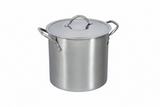
- A large aluminium stock pot, for blanching the tomatoes
- A large ring gas burner, to use with the pot and the boiling drum
- A full gas bottle (you may need a refill for a big batch)
- A large stainless steel strainer
- A large piece of cheesecloth (or a tea towel for small batches)
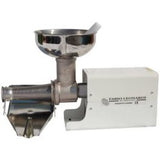
- An electric tomato machine for big batches, or a manual tomato press or Mouli for small ones
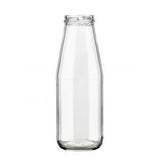
- 720ml passata bottles with caps (1kg of tomatoes makes roughly one 750ml bottle)
- Bottle caps and a capper if you're using beer bottles
- A large metal drum for boiling the bottles (or a big aluminium pot for small quantities)
Starting from scratch? Our sauce machine kits put the main pieces together.
TAB TIP: The key to keeping your passata is clean, sterilised bottles. If you're reusing last year's, wash and sterilise them the weekend before sauce day.
How to make passata, step by step

- Fill large buckets halfway with water and add as many tomatoes as will fit. Take each tomato out, wipe it, cut out the core and any bad bits, and set the cleaned tomatoes aside in washed crates.
- Fill the large pot halfway with water and bring it to the boil over the gas. Blanch the tomatoes in batches until they soften and the skins start to peel. Scoop them out with the strainer onto the cheesecloth.
- Twist the cheesecloth gently to drain off excess water. You only want to lose water, not tomato juice. Tip the tomatoes into a large bucket ready for the tomato machine or Mouli.
- Work in batches. Put a large sterilised bucket under the spout where the juice comes out and a smaller bucket where the skins come out, then guide the blanched tomatoes through. After the first pass, put the skins and seeds back through the machine another three times. The skins are what give the sauce its flavour and body.
- Each pass gets harder on the machine. Press the skins down to guide them, but listen to the motor and ease off if it sounds strained.
- Season the passata with salt to taste and stir it through with a large spoon.
Bottling and boiling

- Push a large basil leaf (or two smaller ones) into each clean bottle and fill it with passata using a funnel.
- Leave a couple of centimetres at the top, then seal each bottle, with a capper if you're using beer bottles or by hand.
Then boil the bottles so the sauce keeps:
- Set the drum over the gas burner.
- Put a thick towel in the base of the drum and layer the bottles in, with old rags or newspaper between them so they don't knock together and crack while boiling.
- Keep stacking until you run out of space or bottles.
- Fill the drum with cold water and bring it slowly to the boil. Boil for 30 minutes, turn off the gas and leave the drum to cool overnight. The water holds its heat for a long time, so don't rush taking the bottles out.
- Lift the bottles out gently and store them somewhere cool, dry and dark until you need them.

For more detail on choosing tomatoes and running a full sauce day, see our homemade passata recipe.
Bonus: a cooked Italian tomato sauce
If you'd rather have a richer, cooked sauce (closer to a puree), here's the other way families do it:
- Pull the stems off, wash the tomatoes well and leave them to dry.
- Cut each tomato in half and remove the green core.
- Squeeze the halves over a bowl or the sink to get rid of the seeds.
- Put the halves in a steel pot and cook them over low heat, stirring now and then, until they collapse and dry out.
- Pass the tomatoes through a food mill, then return the sauce to a smaller pot on the heat.
TAB TIP: If your tomatoes aren't especially tasty, add some fried onion or garlic to the sauce. Then it's ready for pasta, pizza or tomato soup.
If you make this recipe, tag us on socials @artisans.bottega. We love seeing what the TAB family makes.