Homemade Whole Peeled Tomatoes Recipe
Tomato season is approaching, and we are as excited about it as ever! This guide shows you how to make homemade whole peeled tomatoes (pomodori pelati) to store in jars for the year ahead.
Making passata at home is a very popular end-of-summer activity for an ever-growing number of people, not only those from Mediterranean backgrounds. It is easy and quick, depending on the amount of tomatoes you are processing and the equipment you are using. We have covered passata making extensively in a previous blog, which you can read at the link below.
If you have already made your passata, or if you want something new in your pantry, why not try peeled whole tomatoes? They are a versatile way of storing this amazing fruit, ready for any recipe that calls for tomatoes. You can use them whole, crush them easily by hand, or process them in a tomato sauce machine at a later stage if needed.
“Pomodori pelati”, as they are called in Italian, are made by removing the skin from the fruit. Ripe San Marzano tomatoes give the best result, but any plum variety will do just fine, as long as the quality is good!
Preparing the tomatoes
When buying and using tomatoes, check their overall quality and avoid damaged or overripe ones. As in the passata-making process, the tomatoes need to be washed properly to get rid of impurities and dirt that might affect the quality of your product. Immerse the tomatoes in a large, shallow, food-grade container full of clean, fresh water.
Put aside any damaged tomatoes, as they can be used to “clean” your passata machine before its first use of the season. At this stage, the tomatoes can be prepared by gently making a small “cross” incision in the skin.
How to make whole peeled tomatoes
- Fill a large stock pot with plenty of water, place it on a burner and bring it to the boil. Then plunge your clean tomatoes in for about a minute, to a minute and a half. Work in smaller batches that are easy to handle.
- Remove the tomatoes with a practical strainer scoop, plunge them briefly in cold water, and then place them on towels to cool a bit more before handling. Thanks to the incision you made earlier, you should see flaps of skin already starting to peel off the flesh of the tomatoes.
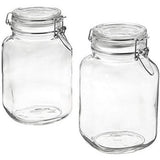
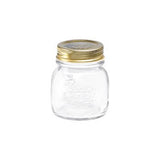
- To remove the skins completely, use a knife (carefully!) or tweezers and gently pull those flaps until the whole surface is uncovered. If other people are working with you, someone can start filling the bottles and jars. (Make sure that everything is clean and sterilised, including the lids used to close the containers.)
- Most people add a pinch of salt and a basil leaf to the bottom of the jars, but it depends on your taste. Some people add bay leaves, rosemary or other herbs and flavours. It's best to label the jars so you can pick the right jar for the right recipe!

- Next, start placing the tomatoes in the jars, gently pressing them together so that no air bubbles are left between them. Keep adding tomatoes until the jars or bottles are nice and full, leaving only a minimal space from the brim. Add another pinch of salt and any other herbs before sealing.

- Eliminate any visible air pockets by tapping gently on the side of the jars or by adjusting the tomatoes with a clean, sterilised fork. (If you have already made your batch of passata, you can use some of it to fill any gaps between the tomatoes!)
- Close the jars or bottles with proper lids (preferably new every season!), taking care not to over-tighten them, as this can cause the lids to lose their grip and seal. Some people add a square piece of cellophane between the brim of the container and the lid to create a better seal.
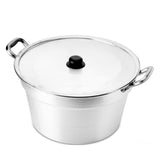
- Once the jars are ready, prepare a big stock pot for pasteurisation by laying towels inside it, as you would when making passata.
- Place all the jars inside the pot, with more towels in between so they won’t touch each other and smash during this step.
- Fill the pot with water, light the burner and bring the water to a gentle boil.
- Let the jars boil for about 40 minutes, then turn the heat off and leave them to cool down completely (some people leave everything to rest overnight!).
- When you are ready to remove the jars, wear thick kitchen gloves to protect yourself in case a jar has broken and there is shattered glass in the pot.
- Store all your pelati jars in a cool, dry and dark place (as you do with your passata). They will last for up to three years, but they generally get eaten and enjoyed way before then!
If you make this recipe, don't forget to capture and share your Artisan's moments with us on Instagram. Let us know what you think of it! We love getting in touch with our TAB family!